


Complementing traditional agriculture with innovative technologies
Agriculture is under significant pressure. Climate change, food insecurity and environmental degradation affect growers across the world. Integrated farming systems offer a considered way to deal with these challenges by combining different practices into a single, efficient ecosystem. This article explains how integrated farming works, where vertical farming can fit in, and how these approaches support sustainable, long-term food production.
What is an integrated farming system?
An integrated farming system is a holistic agricultural model that brings together multiple production methods such as crop cultivation, livestock, aquaculture and controlled environment production. The aim is to create a self-sufficient cycle that:
- makes the best use of available resources
- reduces waste and pollution
- supports soil health and biodiversity
- lowers the environmental footprint of production
These systems bring together various methods of growing, from open-field agriculture and glasshouses, to hydroponic facilities and vertical farms. They provide a flexible and resilient approach to food production in a world where climate and market pressures are increasing.

How integrated vertical farming systems work
Integrated farming relies on each part of the system supporting the others. In some cases, vertical farming can play an early role in the growing journey. Growers can raise propagation-stage crops (lettuce starter plants, tree seedlings or strawberry starter plants) in a controlled environment before moving them to glasshouses or polytunnels.
We design and manufacture vertical farming technology, known as Growth Towers. Within an IGS Growth Tower, Total Controlled Environment Agriculture (TCEA) manages every aspect of plant growth, including airflow, irrigation, humidity, temperature and lighting. This supports:
- consistent plant quality
- lower disease risk
- a reliable supply of young plants throughout the year
This then removes the need for harmful chemicals. Techniques like closed-loop fertigation and UV-treated water make for a more efficient use of resources, while the technology itself can also be paired with renewable energy sources for a more sustainable method of growth.
What is vertical farming?
Vertical farming grows plants in vertically stacked layers using precision control and hydroponic systems, giving growers consistent, predictable yields year-round, regardless of external weather.
Vertical farming also supports broader sustainability goals by reducing food miles, controlling energy demand and optimising land use. Our modular Growth Towers can integrate into existing farms as part of a hybrid approach to agriculture, or be deployed as stand-alone facilities. They allow growers to create hybrid systems that pair the flexibility of controlled environment agriculture with other, more traditional production methods.

Why integrated farming systems matter
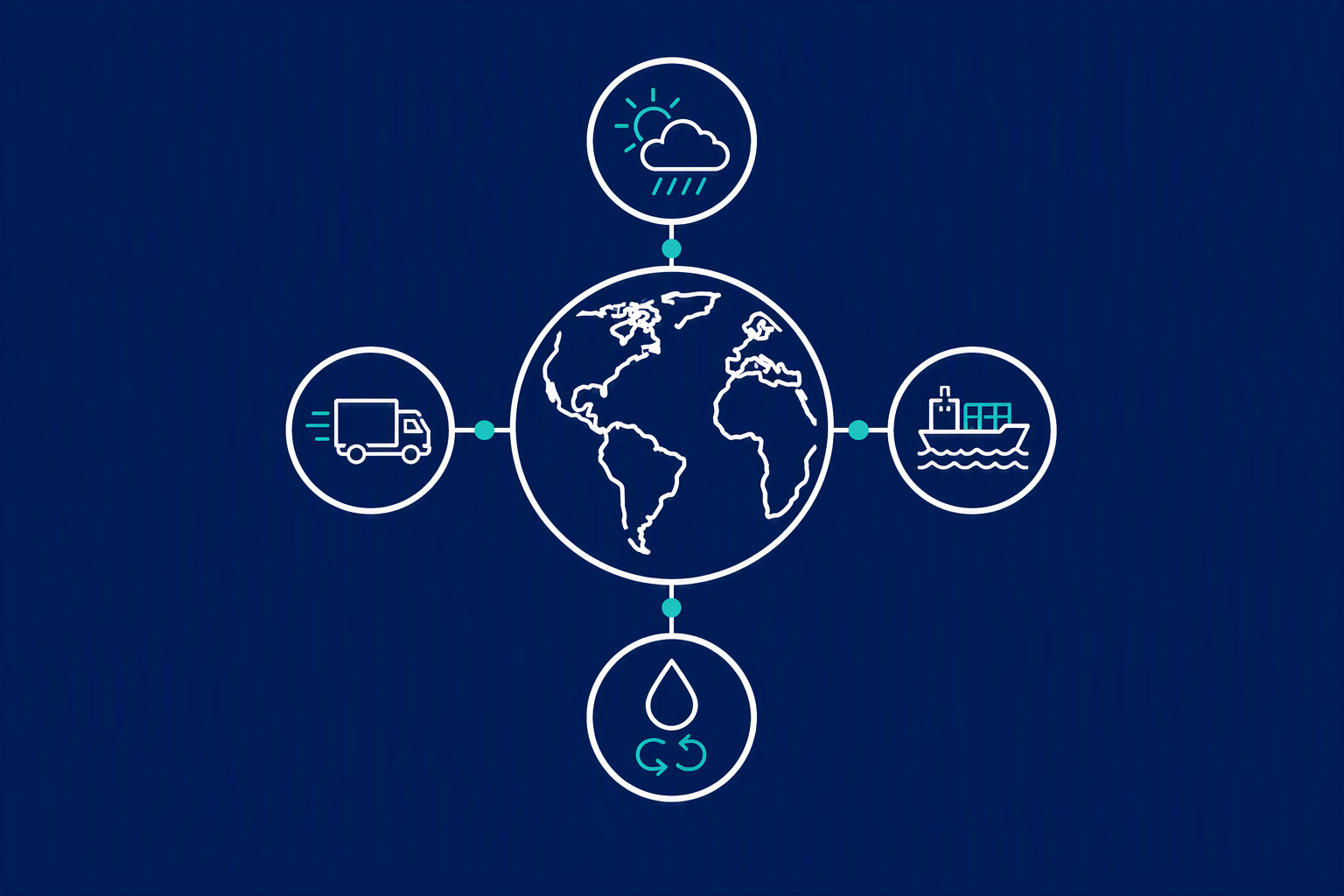
Integrated farming systems help deal with global agricultural challenges (such as managing the impact of extreme weather) by bringing together methods that strengthen each other.
Feeding a growing population
The global population has surpassed eight billion. Food production must increase significantly by 2050 to meet demand. Integrated systems encourage efficient production methods that support higher output without relying on additional arable land.
Preserving natural resources
Agriculture uses approximately 70% of global freshwater. At the same time, arable land continues to decline. Integrated farming helps growers:
- reduce water use
- protect soil degradation
- limit pollution from fertiliser run-off
These gains become increasingly important as climate patterns shift.
Increasing food security
As climates warm and geopolitical pressures rise, reliance on imported food becomes more uncertain. Around 2.4 billion people face moderate or severe food insecurity. Producing food locally (using a mix of field, greenhouse and vertical farming) helps stabilise supply.
IGS technology can be deployed in varied climates. In December 2023, we announced plans for the UAE’s first GigaFarm, showing how controlled-environment systems can operate in regions with limited agricultural land and a large reliance on imports.

Resilience to disease
Vertical farming technology provides biosecure, clean, closed-loop environments where crops can grow without pesticides. Growers can keep in segregated areas, keeping airflow, nutrient delivery, and fertigation separate to minimise any risk from cross-contamination. They also do not require washing, which preserves shelf life and quality.
Climate change mitigation
Agriculture contributed to approximately 11% of global greenhouse gas emissions in 2024. Integrated farming helps reduce emissions through:
- fewer synthetic fertilisers and pesticides
- more efficient irrigation (IGS technology uses approximately 98% less water than traditional methods of growth)
- reduced food miles, by locating closer to the end consumer
- more predictable production cycles
This all leads to better soil health, and lower pollution.
Diversified income streams
Growers who use multiple systems can create more stable business models through additional revenue streams. Vertical farming adds another reliable source of production through consistent, year-round production. This supports wholesalers and retailers with dependable supply and allows growers to meet niche or seasonal market demand without waste.
Greenhouse operations dealing with changing weather, unreliable supply chains, or labour shortages can integrate IGS Growth Towers to stabilise output and optimise resources. This approach works particularly well when dealing with starter plants, using vertical farming technology to nurture young plants before they are transferred to a greenhouse (or open field) for the rest of their growth cycle.
Improved sustainable agricultural production
Integrated farming brings long-term sustainability benefits through reduced chemical use, careful water and energy management and a more diverse growing ecosystem. These systems support a reliable food supply for current and future generations.

Want to learn more?
If you want to understand how an integrated vertical farming system can support your business, download our guide.
About IGS
Intelligent Growth Solutions (IGS) is a global leader in vertical farming technology. We combine engineering and scientific expertise to help growers produce high-quality plants throughout the year with scalable, science-led solutions.

.jpg)