


Rethinking the status quo for biosecure, dependable strawberry plant production
This article was written by Gina Mercier, Head of Sales Europe at Intelligent Growth Solutions (IGS). Gina loves getting to know growers worldwide, alongside working closely with our customers and seeing how IGS technology can help them.
We’ve been manufacturing vertical farming technology that allows growers to produce consistent, quality, and uniform plants in a repeatable, predictable fashion for over a decade now. Our system isn’t intended as a replacement for a greenhouse or open field – it's here to complement these methods with solution-focused design.
For many commercial strawberry growers and propagators, ensuring a consistent supply of healthy strawberry starter plants has become increasingly challenging and one of the most volatile parts of production. Factors such as the cost of labour, fractured supply chains, and the financial impact of pests and disease create risk at the earliest stage of the growing cycle, but it doesn’t have to be this way.
This is where controlled environment growing and vertical farming can help, not as a wholesale replacement for established systems, but as a means of strengthening them. A more stable, predictable model can help growers to face the underlying costs of external propagation, addressing commonplace challenges with evidence-based solutions.
Challenges of relying on externally produced starter plants
Pests, disease, and quality losses
Strawberry starter plants are most vulnerable to viruses, bacterial diseases, and soilborne pathogens at their earliest stages of growth. Unfortunately, many of these are not detected until the fruiting phase at which point they can have the most significant impact on yield. This can lead to significant costs, both in terms of potential intervention and the number of plants that make it to harvest.
IGS Growth Towers provide a clean, biosecure environment for strawberry starter plants, which significantly reduces this risk. When the system itself is designed to completely safeguard against pests and diseases, every plant that leaves it has the same strong start to life.
Labour pressures
Labour availability has been an issue in agriculture for some time now. The introduction of robotics and automation can help to mitigate some of the issues here, but right now we’re still at a stage where propagation relies heavily on skilled hands. This is crucial when it comes to tasks such as harvesting, trimming, and transplanting, amongst others. Any variation in plant quality makes these tasks significantly harder.
One way to address this – and reduce the need for reactive decision-making – is to use vertical farming to optimise the propagation process. This allows for the management of growth schedules and labour requirements accordingly, rather than being at the mercy of inconsistent supply chains and the peaks and troughs that come with them.
High transport and survival costs
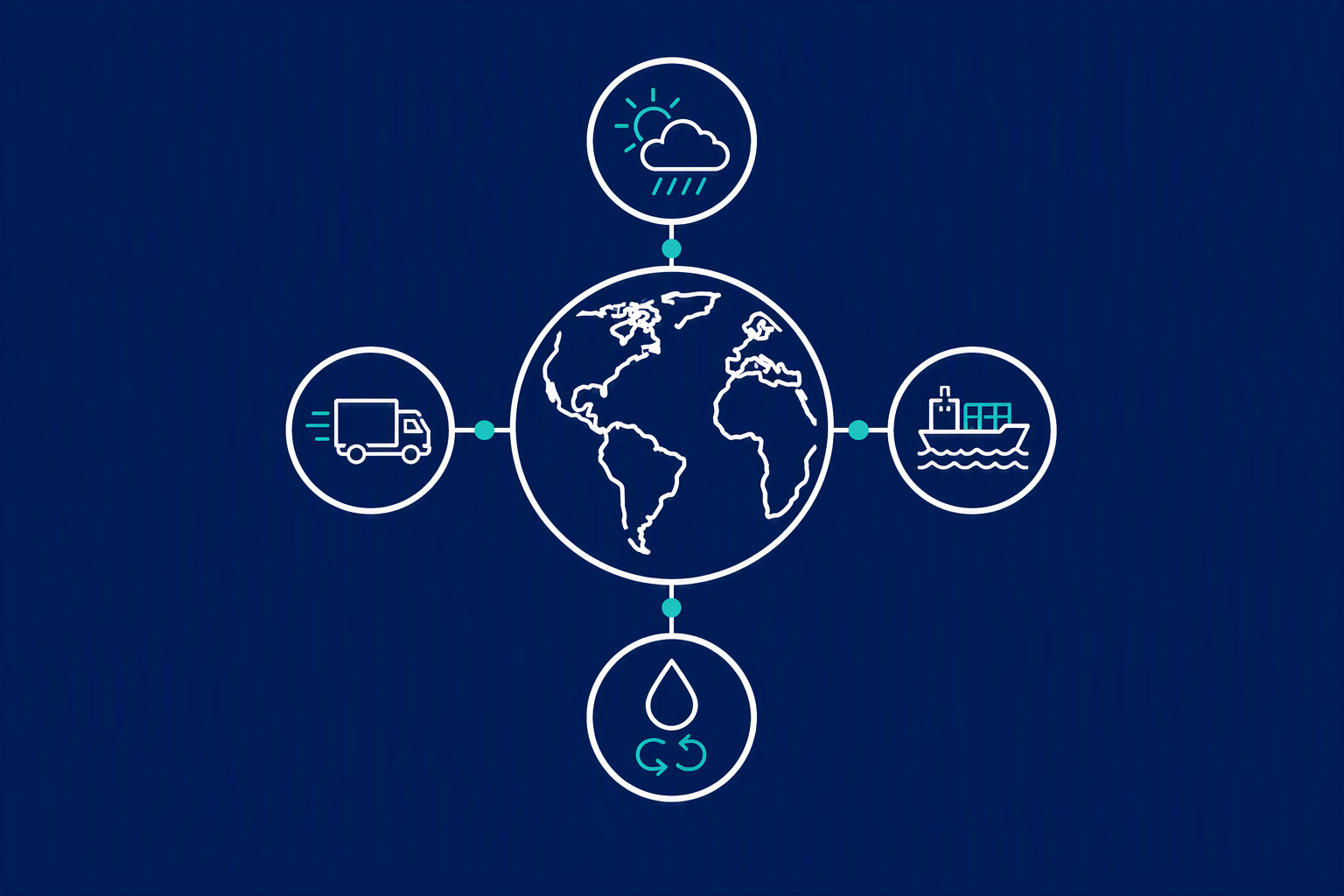
Refrigeration and cold-chain logistics are an inbuilt part of growing strawberries, and come at a cost. Every additional day a plant spends in transit adds to both the energy bill and the risk of temperature deviations, potentially resulting in losses, reduced shelf life, and lower fruiting potential. Up to 50% of a plant’s eventual sale price can go towards transport, further emphasising the need to mitigate agains risks such as supply chain breakdown, long distance transportation, and the high energy costs associated with it.
Strawberry starter plant production in IGS Growth Towers means the growth process and operational expenditure become more predictable. Instead of relying on often-long, refrigerated journeys (and potential delays), growers can shorten or eliminate this aspect altogether. Resource efficiency is also enhanced through factors such as LED lighting designed for photon optimisation (giving plants the exact light they need, when they need it), and closed-loop fertigation. This helps to grow strawberry starter plants in a controlled, resource-efficient environment designed to optimise every input.
Advantages of growing strawberry starter plants with IGS Growth Towers
High-density mother plant establishment
One advantage offered by vertical farming is its ability to maximise space. Growing strawberries is no different. One tray in an IGS Growth Tower can hold up to 630 mother plants, creating a highly productive environment with a small physical footprint. When looking at the growth process over a full year, one 12-metre IGS Growth Tower can produce as many as 600,000 tray plants, all managed in a consistent, predictable workflow.
Predictable costs
Our technology is engineered to optimise inputs. This can be seen when looking both at factors such as lighting design and at elements like the fertigation system, which recycles any unused water or nutrient solution. Input costs are both optimised and stabilised, meaning growers can accurately forecast requirements into their business model rather than having to respond dynamically to environmental variances.

Combining for a more resilient propagation model
Vertical farming isn’t a standalone solution. To help maximise the productivity of existing methods, it can readily integrate during the early stages of growth to strengthen plants, working in conjunction with other growing techniques, whether that’s in a greenhouse, polytunnel, or open field (depending on the plant variety and location).
Using IGS Growth Towers to grow strawberry starter plants removes uncertainty, allowing for:
- production of consistent, reliable young plants
- management of labour shortages
- a reduction in dependence on third‑party propagators
- performance optimisation of greenhouse or open-field operations with a predictable supply of healthy starter plants
If you’d like to explore how vertical farming technology can enhance your propagation operation, I’d be more than happy to have a conversation. Let’s talk today.

.jpg)