




How forests can thrive in the face of climate uncertainty by prioritising biodiversity
Tree planting has become a global priority. Across the world, recent events have brought this into sharp focus, with whole ecosystems destroyed because of our rapidly changing climate.
Governments, businesses and environmental organisations across Europe and North America have committed to planting billions of trees in support of reforestation and carbon sequestration efforts. The scale of these ambitions is huge. Yet conversation predominantly focuses simply on the number of trees being planted, while an equally important question often receives far less attention: what kind of forests are we planting?
For tree nurseries and planting organisations (not to mention the ecosystems that exist within the forests themselves), this is an important consideration. The long-term success of reforestation depends not only on planting more trees, but on establishing forests capable of thriving for decades to come. This challenge comes in the face of an ever-changing climate, with Western Europe alone having faced its highest temperatures recorded during the June-July period of 2026.
Forestry projects need to demonstrate success, and seedling diversity is one key area they can target to create productive ecosystems for a multitude of species. Producing the volume of seedlings needed to meet demand remains important, but it’s equally important that the right mix of species exists so that our forests are built to withstand future challenges and with the capacity to help re-establish diverse ecosystems.
Expanding beyond tree planting targets
Large-scale reforestation projects are often measured by the number of trees planted. While this provides a useful benchmark, it does not necessarily reflect long-term health.
Forests are complex ecosystems in which different tree species perform different roles. Some are better adapted to drier conditions, others provide important habitats for wildlife, while others improve soil quality or support broader ecosystem functions.
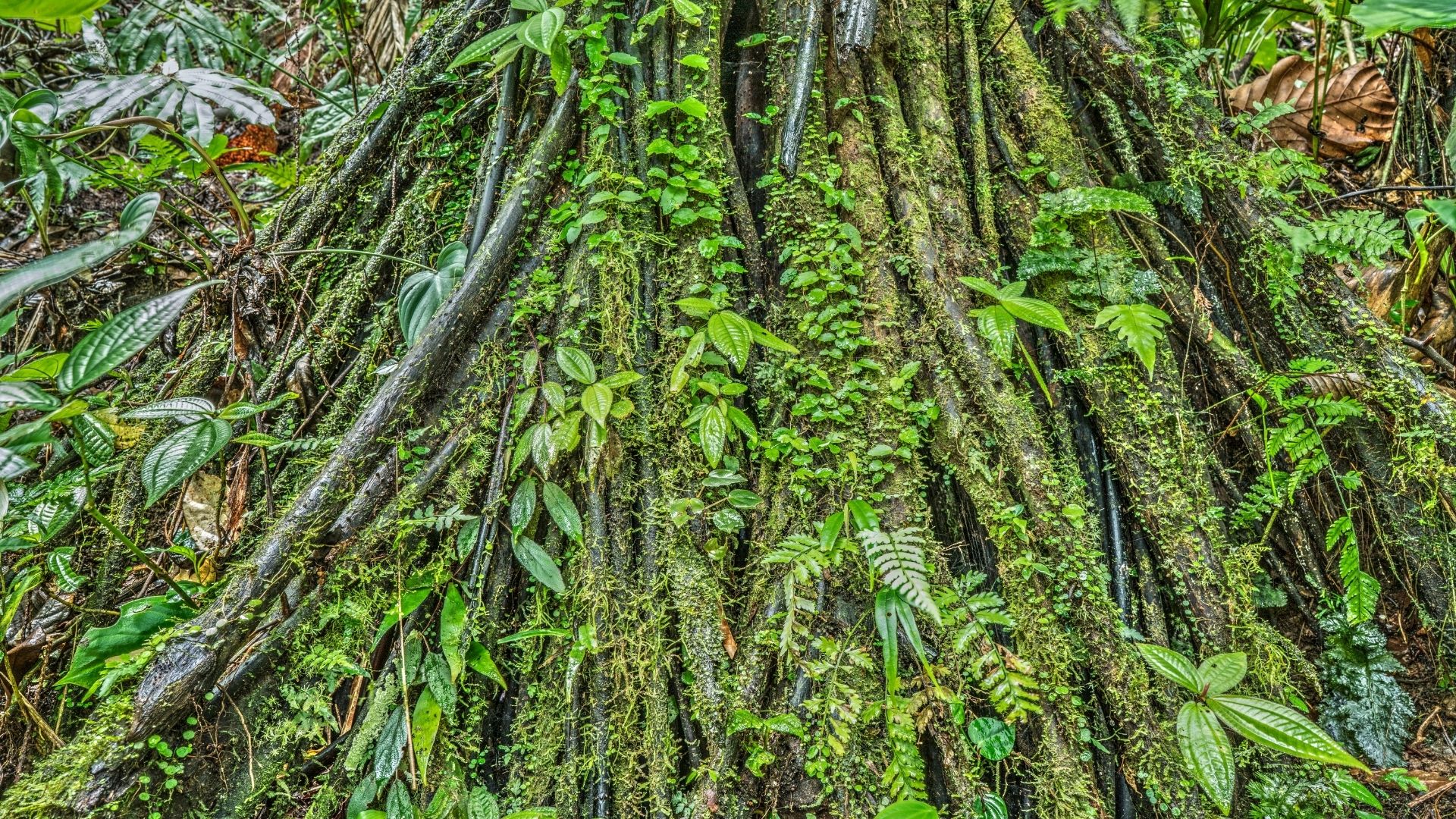
When forests rely heavily either on a single tree species or a very narrow range, they can become more vulnerable to disruption. Pest outbreaks, diseases, extreme weather events and changing environmental conditions often have a greater impact when large areas are made up of the same species with a single genetic profile. By planting a greater range of seedlings, planters can safeguard against biological risks, creating more resilient ecosystems built for the long term.
Of course, there will always be instances in which there is an imperative to monocrop a particular species – commercial forestry operations, for example. However, it’s vital that species diversity is considered as part of a broader strategy to mitigate risk and disruptions.
How mixed-species forests improve resilience
A ten-year study conducted by the Smithsonian Environmental Research Center found that more diverse tree plantings were less likely to suffer planting failures. The study found that introducing a broader variety of species reduced mortality rates and, in turn, project risk.
Mixed-species forests have also been linked to greater resilience when exposed to environmental stress, such as extreme heat or droughts. On top of this, researchers have identified greater carbon storage potential in more diverse forests, with benefits becoming more pronounced over time.
For organisations investing significant resources into reforestation, these findings are proving increasingly difficult to ignore. By planting a broad range of tree seedlings, they can work to ensure that forests continue to grow, adapt and deliver environmental and economic value even in the face of a changing climate.
A growing challenge for nursery operators
While the case for greater diversity is becoming clearer, growing healthy tree seedlings doesn’t come without its challenges, with many tree nursery operators already facing significant pressures. They may be contending with long, protracted growth cycles and the challenge of planting seasonality, or they may be operating in areas prone to pests, disease and labour shortages, among other factors.
Different species often have unique propagation requirements and growth timelines. This requires a balancing act, supported by a propagation system that allows growers to scale production to meet requirements, while remaining agile in support of changing market demand.
Matching seedling supply with demand
These challenges aren't insurmountable. Even when faced with the reality of managing reforestation programmes amid an ever-changing number of variables, there is a pressing need to invest in our forests. It pays to think beyond traditional production models and look at ways growers can bypass seasonality and mitigate against factors such as extreme weather, pests, and disease.
Supporting greater diversity through vertical farming
This is where vertical farming and controlled environment propagation come in. By reducing reliance on seasonal growing cycles and providing greater control over environmental conditions for tree seedlings, controlled growing systems give growers greater predictability while also bringing the ability to support multiple species.
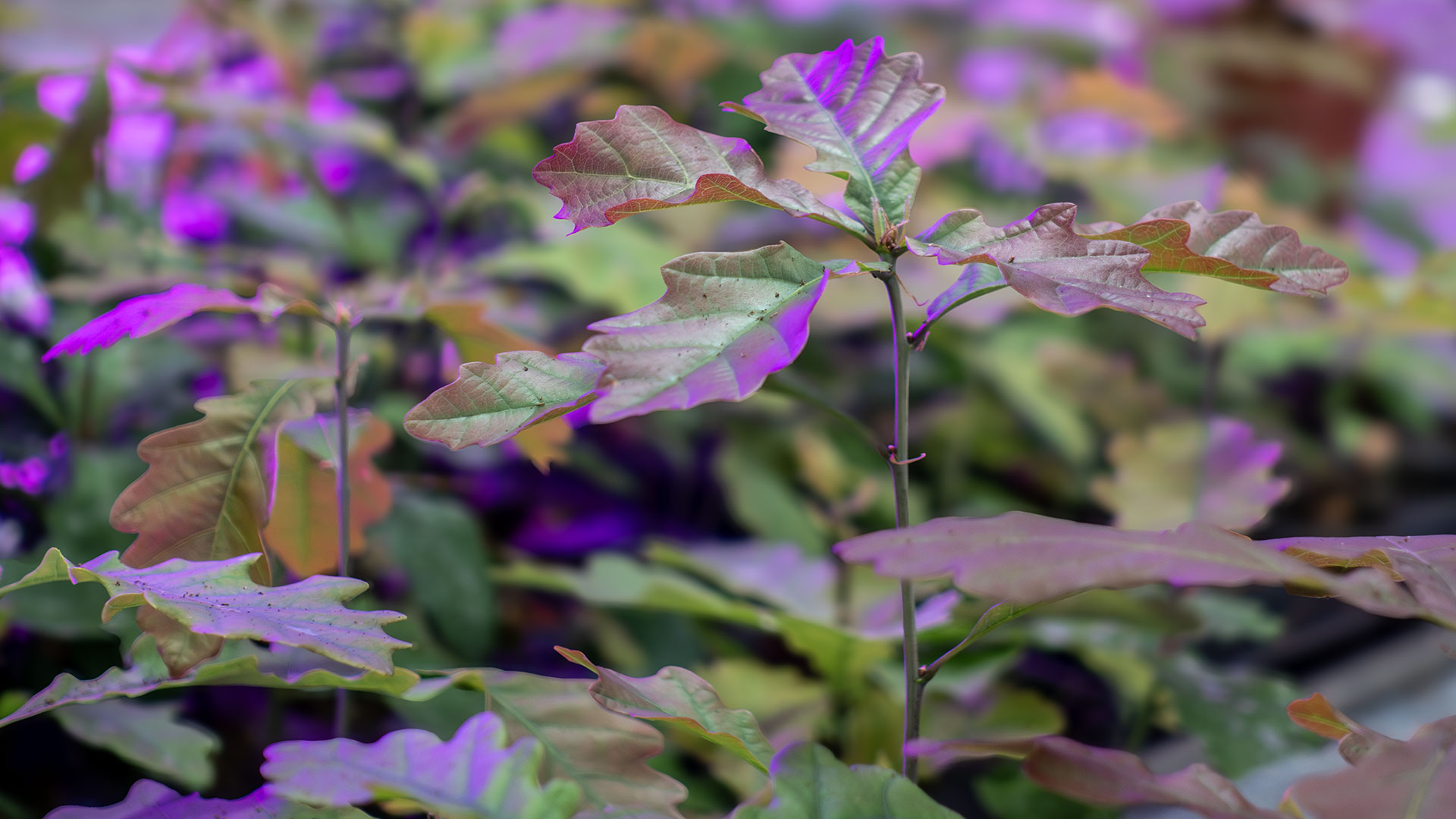
Alongside predictability, these systems allow growers to produce seedlings much faster than traditional planting methods. At IGS, our trials with Forestry and Land Scotland have seen broadleaf species grow up to 600% faster, for example, while conifers achieved up to 30% faster growth. Being external environment-agnostic also means that growers can adjust production plans more rapidly, broaden out across several species and meet specific demand in a timely manner.
Our trials have successfully grown a variety of tree species, including rowan, silver birch, oak and alder. While no single technology will solve every forestry challenge, greater flexibility during the propagation stage could play an important role as the commercial need for species diversity becomes increasingly apparent.
Building forests for the future
Volume is undoubtedly an important consideration for the forestry sector. Yet volume alone won't contribute to the overall success of reforestation programmes. If we shift our focus towards the quality, resilience and long-term sustainability of forests, we need to look beyond volume and ensure species diversity is given the consideration it deserves.
By planting tree seedlings that can withstand environmental pressures, support biodiversity, and deliver long-term economic and environmental benefits, planters can start to think beyond just numbers. This begins at the nursery stage, with the right systems laying the foundations for more resilient forests and a broader range of healthy, high-quality seedlings.
To learn more about how controlled environment propagation can support tree seedling production, download our forestry guide.
.jpg)